



- Brake Safety Week 2026 runs August 23–29, with inspectors placing special emphasis on the condition of brake drums and air disc brake rotors, making proactive inspections and maintenance more important than ever.
- During Brake Safety Week 2025, 14.9% of inspected commercial vehicles in the United States were placed out of service for brake-related violations, highlighting the importance of identifying and repairing issues before they lead to roadside enforcement actions.
- Strong daily inspection and maintenance practices are your best defense. Regular air system checks, drum and rotor inspections, clear defect reporting, and thorough maintenance documentation can help fleets improve safety, support compliance, and reduce the risk of operational disruptions.
CVSA Brake Safety Week 2026 runs from August 23–29, 2026, and American fleets should treat it as both a compliance checkpoint and a safety opportunity. This CVSA Brake Safety Week 2026 preparation guide for US fleets and drivers covers what inspectors will be watching for, what the 2025 results tell us, and how to tighten daily inspections before brake inspection week arrives.
What should American fleets expect during Brake Safety Week 2026?
US carriers should expect roadside inspectors to pay close attention to brake systems and components on commercial motor vehicles, with 2026 reporting focused on the condition of brake drums and rotors.
For drivers, this does not mean every stop will be unusual or complicated. It means routine roadside inspections may put added emphasis on whether the brake system is properly maintained, correctly adjusted, free of air leaks, and compliant with applicable standards. For fleets, it is a reminder to review preventive maintenance records, repair follow-up, driver vehicle inspection reports, and shop communication before CVSA Brake Safety Week begins.
In the United States, brake compliance is not simply about avoiding an out-of-service order. It supports safe stopping distance, protects drivers and the public, and helps carriers maintain reliable operations across provincial, territorial, and cross-border routes.
Why brake safety is ImPORTANT for Your Fleet
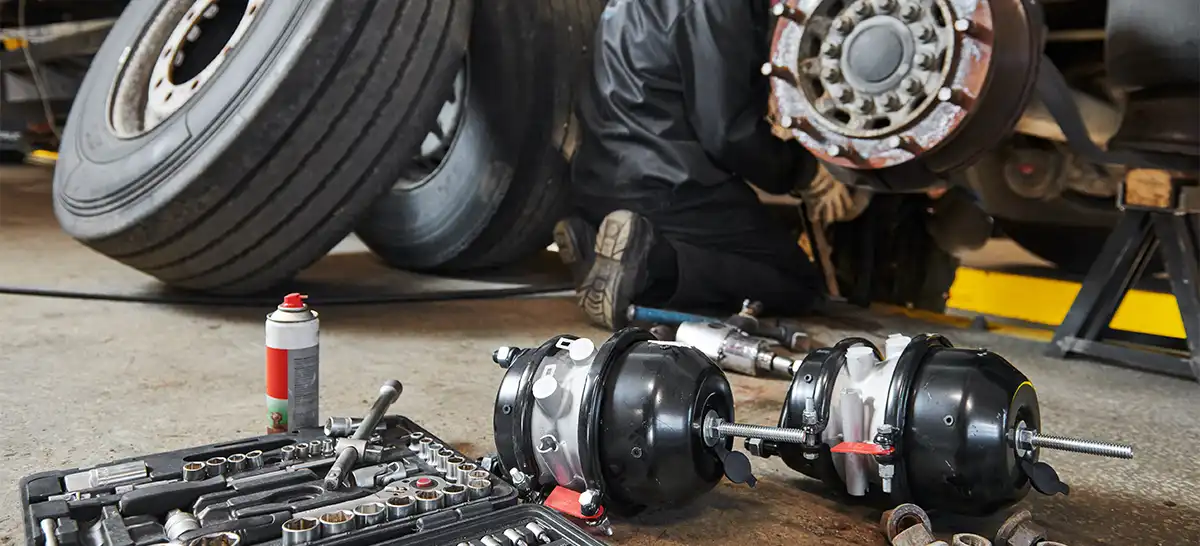
Brake issues are consistently treated as high-priority safety concerns because a commercial vehicle’s braking performance depends on many parts working together under load, weather, grade, and traffic conditions. A small air leak, worn component, cracked drum, damaged rotor, or missing inspection step can become a larger operational risk if it is not caught early.
The 2025 Brake Safety Week results show why preparation matters. CVSA reported 15,175 inspections across 52 jurisdictions in North America, with 2,296 vehicles placed out of service for brake-related violations, a 15.1% brake-related out-of-service rate. In the US specifically, inspectors conducted 13,700 inspections and identified 2,035 brake-related out-of-service violations, or 14.9%.
Those numbers should not create panic, but they should prompt action. A well-run brake inspection program helps fleets find defects in the yard or shop, where repairs can be scheduled safely, instead of at roadside when the vehicle may be restricted from continuing.
The focus area for 2026: drums and air disc brake rotors
For 2026, CVSA says inspectors will collect data on the condition of brake drums and rotors, they have provided a focus-area flyer with tips for drivers and operators. That makes this a good year to refresh inspection habits around both traditional drum brake assemblies and air disc brake rotors.
Drivers and technicians should look beyond the obvious. A brake may appear to function during a basic yard move but still have visible damage, wear, or conditions that require attention. Brake drums can develop cracking, broken sections, or signs of overheating. Air disc brake rotors may show cracking, heavy rusting on swept surfaces, broken rotor sections, or other defects that need qualified assessment.
The practical takeaway is simple: do not wait for brake inspection week to start looking closely. Build drum and rotor checks into pre-trip routines, scheduled maintenance, and post-repair quality control now.
A practical pre-trip checklist for drivers
A strong pre-trip inspection is one of the best daily habits a driver can bring into CVSA Brake Safety Week. Drivers should always follow company procedures and applicable US requirements, but the following checklist is a useful refresher:
- Listen for air leaks. Build air pressure, shut the engine down when appropriate, and listen for noticeable leaks around the tractor and trailer.
- Confirm warning devices. Make sure low-air warning systems activate as expected during the air brake check.
- Check air pressure build-up. Slow pressure recovery can point to problems that need attention before dispatch.
- Inspect visible hoses and lines. Look for rubbing, cracks, kinks, loose fittings, or damage from road debris.
- Look at chambers and slack adjusters where visible. Report damaged, loose, missing, or suspicious components.
- Check drums and rotors when visible. Look for cracks, broken areas, severe rust, abnormal wear, or heat-related damage.
- Watch for contamination. Oil, grease, or other residue near braking surfaces can indicate a seal or maintenance issue.
- Document defects clearly. A vague note slows repair decisions. Identify the unit, axle area, symptom, and conditions observed.
Drivers should never be pressured to “see how it goes” with a suspected brake defect. If something looks, sounds, or feels wrong, the safest next step is to report it and have it assessed by qualified personnel.
Maintenance steps that help fleets prepare
Fleet preparation works best when safety, dispatch, drivers, and maintenance all share the same expectations. A short planning meeting before August can prevent missed assumptions later.
Start by reviewing recent driver reports and repair history for repeat brake concerns. Units with recurring air leaks, abnormal lining wear, uneven brake response, or repeated adjustment issues deserve closer attention before they are assigned to long trips. Also, check whether trailers are receiving the same level of attention as tractors, especially in mixed-use yards or drop-and-hook operations.
A practical maintenance review should include:
- Prioritizing high-risk units. Focus first on vehicles with high mileage, severe-duty routes, mountain operations, frequent stop-and-go work, or prior brake defects.
- Verifying repairs are closed properly. Confirm that reported brake defects were inspected, repaired when needed, documented, and returned to service through the proper process.
- Checking parts condition, not just function. Brake performance matters, but so do visible component condition, securement, wear, and damage.
- Refreshing technician notes. Clear records help demonstrate that the fleet takes brake safety and regulatory compliance seriously.
- Communicating inspection expectations. Drivers should know what to check, when to stop, and who to contact when defects are found.
Documentation matters during compliance reviews
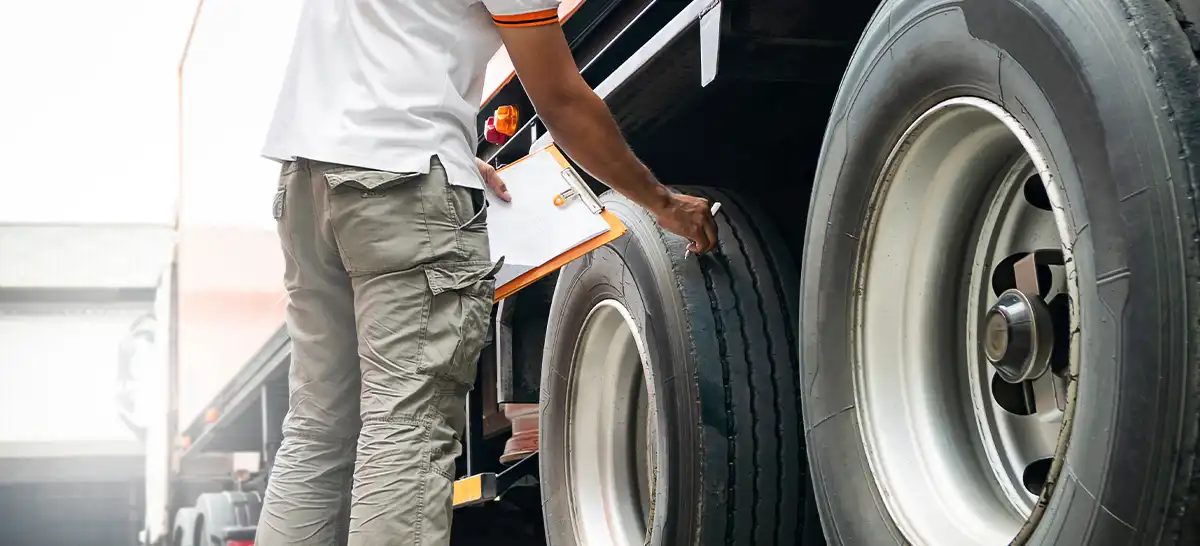
During truck safety week initiatives, paperwork can be almost as important as the physical inspection. Incomplete driver vehicle inspection reports, unclear repair notes, or missing follow-up can create confusion even when a fleet is making good-faith efforts.
American fleets should make sure inspection reports are completed accurately, defects are categorized according to company and regulatory processes, and repairs are recorded in a way that is easy to understand. If a vehicle crosses into the United States, cross-border expectations should also be considered as part of the carrier’s compliance program.
Good documentation does not replace maintenance. It supports it. It gives drivers confidence, helps shops prioritize work, and allows safety managers to spot patterns before they become roadside issues.
Final preparation before August 23rd
In the final days before Brake Safety Week, avoid rushing through last-minute inspections. A compressed, checklist-only approach can miss the bigger picture. Instead, use the week before August 23 to confirm that priority units have been reviewed, open brake-related defects have been addressed, and drivers understand the 2026 focus on drums and rotors.
It is also wise to remind drivers that inspection events are not just enforcement campaigns. They are part of a broader safety effort aimed at keeping commercial vehicles operating properly on US and North American roads.
Stay ready with practical brake support
Preparing for Brake Safety Week 2026 is really about maintaining safe, compliant vehicles every week of the year. Focus on visible brake condition, air system checks, clear defect reporting, and timely maintenance follow-up, and your fleet will be in a stronger position when Aug. 23–29 arrives.
If your team needs brake inspection, parts, or maintenance support before CVSA Brake Safety Week, contact Inland Kenworth to discuss your fleet’s needs and schedule service where available. A proactive review cannot guarantee inspection outcomes, but it can help identify issues earlier and support safer commercial vehicle operation.