


Refuse trucks are the hidden heroes of clean cities. These heavy machines are built to handle a huge challenge: our trash. For cities and private waste companies, picking the right truck is a big decision. The right truck saves money, protects workers, and helps the environment.
Today’s refuse trucks are high-tech machines, not just simple trash collectors. You can find automated side loaders that reduce worker injuries. You can also find electric trucks that drive quietly through neighborhoods early in the morning. The options are endless.
This guide covers the different types, body styles, and uses of refuse trucks. You might be buying trucks for a busy city or a large factory. Either way, learning what these vehicles can do is the first step to better waste management.
Table of contents
- The Anatomy of a Refuse Truck: Chassis vs. Body
- Rear Loader Refuse Trucks
- Front Loader Refuse Trucks
- Side Loader Refuse Trucks
- Roll-Off Refuse Trucks
- Specialized Refuse Bodies for Niche Applications
- Engine Options: Diesel, Natural Gas, and Electric
- Choosing the Right Truck for Your Route
- Essential Maintenance & Safety
- Key Takeaways
- Build the Perfect Refuse Truck for Your Toughest Routes
- Frequently Asked Questions
The Anatomy of a Refuse Truck: Chassis vs. Body
To understand a refuse truck, you must first distinguish between its two primary components: the chassis and the body.
The chassis is the truck’s base. It includes the engine, cab, frame, and wheels. This heavy-duty base provides the power needed to carry huge loads.
The body is the special equipment added to the chassis to handle the trash. It includes the hopper (where trash goes in), the packer blade (which crushes the trash), and the lifter (arms or tippers). The body decides what the truck does. For example, the exact same chassis could have a rear-loader body for city streets or a roll-off body for construction sites.
When buying used or new refuse trucks, make sure the body fits the chassis well. If the body is too heavy for the truck’s Gross Vehicle Weight Rating (GVWR), it can cause suspension damage and create safety risks.
Rear Loader Refuse Trucks
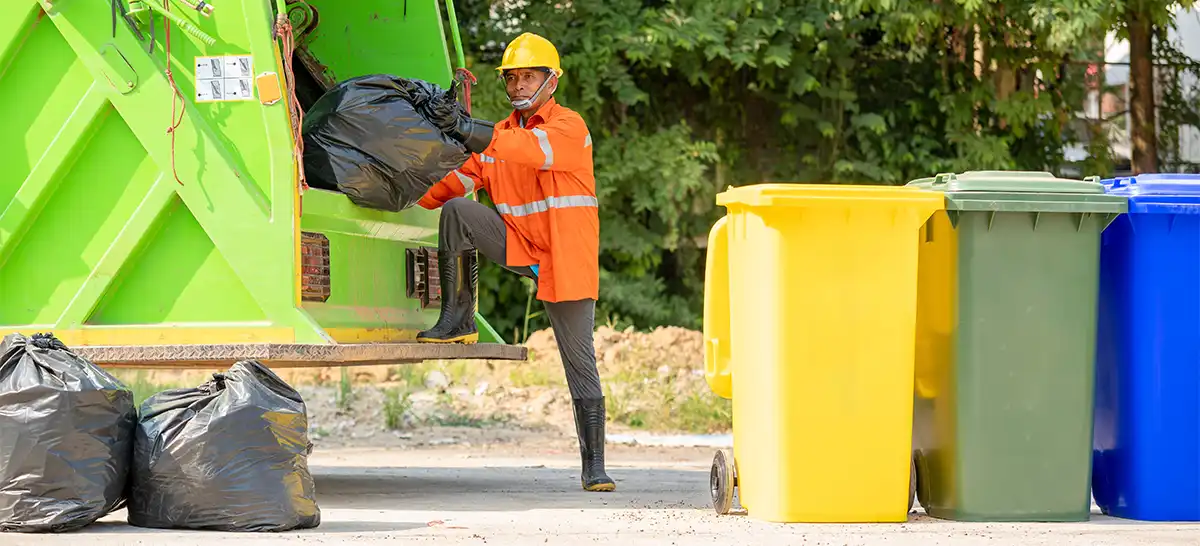
The rear loader is the classic garbage truck. It has a large opening at the back where trash is thrown in by hand or dumped by a machine. A metal blade then sweeps the trash inside and crushes it tightly.
Best Uses for Rear Loaders
Rear loaders are very flexible. They are perfect for routes where the type of trash changes often. They work great in tight alleys where robot arms cannot reach. They are also the best choice for picking up large items that don’t fit in standard bins, like old furniture or yard waste.
Pros and Cons of Rear Loaders
- Pros: They can handle almost any type of trash, including bags, bins, and large items. They cost less to buy than automated trucks. They are also easier to fix because they have fewer electronic parts.
- Cons: They require more hard physical work. You usually need a driver plus one or two workers loading the back. This costs more money and puts workers at a higher risk of getting hurt from heavy lifting or passing traffic.
Front Loader Refuse Trucks
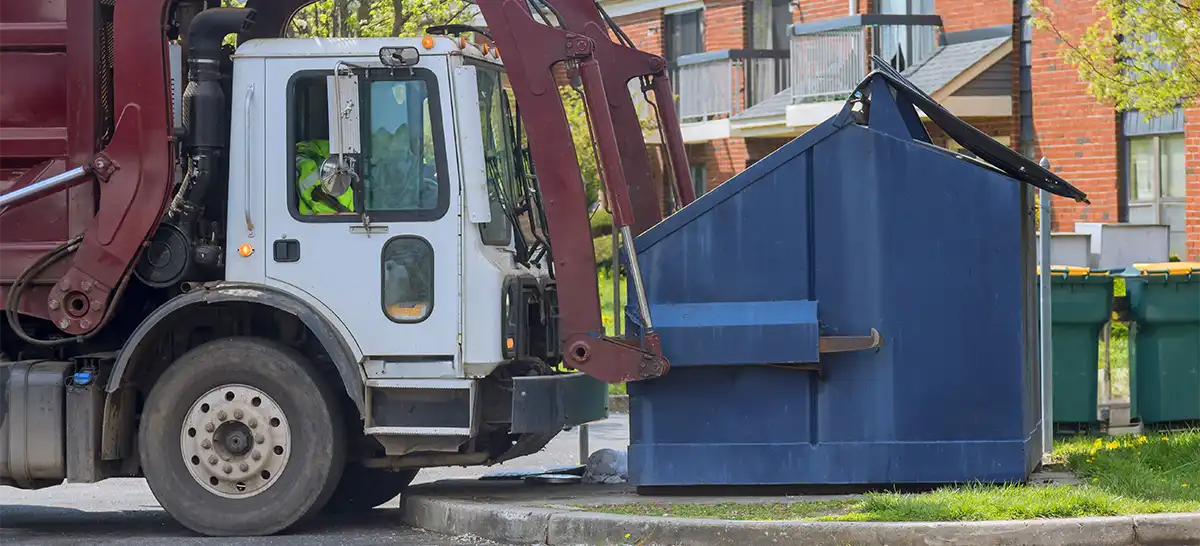
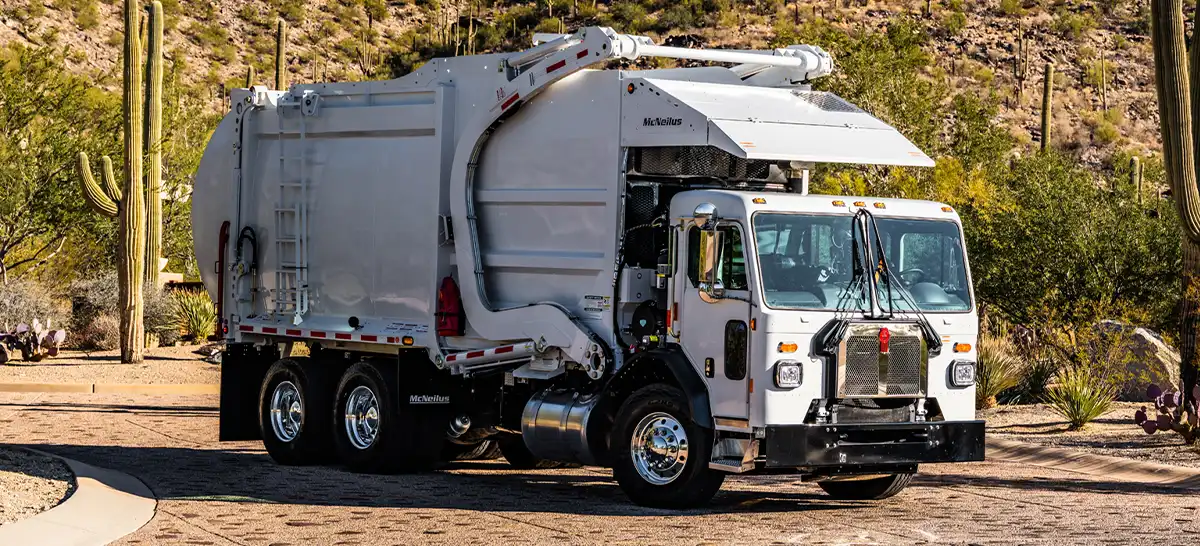
If you see a truck lifting a large metal dumpster over its cab, that is a front loader. These trucks are mostly used for business trash. They have two large metal forks on the front. The driver slides the forks into the sides of the dumpster, lifts it over the cab, and dumps the trash into an opening on the roof. Inside, a blade crushes the trash toward the back of the truck.
Best Uses for Front Loaders
Front loaders are built for speed and large amounts of trash. They are the best choice for businesses like restaurants, apartments, stores, and office buildings. Because they empty large dumpsters instead of small bins, they are perfect for busy areas. The truck can drive up, empty the heavy dumpster quickly, and leave.
Pros and Cons of Front Loaders
- Pros:
- Speed: The driver never has to leave the cab. This makes pickups much faster and less tiring.
- Safety: Drivers stay safely inside, away from traffic and trash.
- Crushing Power: These trucks can crush trash very tightly. This means they can hold more garbage and make fewer trips to the dump.
- Cons:
- Height Limits: Lifting dumpsters over the cab requires a lot of overhead space. Low power lines, bridges, or warehouse ceilings can get in the way.
- Driver Skill: Using the forks takes practice. Drivers must line up perfectly with the dumpster, often in tight spaces.
- Weight Distribution: The heavy lifting arms add a lot of weight to the front wheels. The truck must be built carefully so it does not break road weight limits.
Side Loader Refuse Trucks
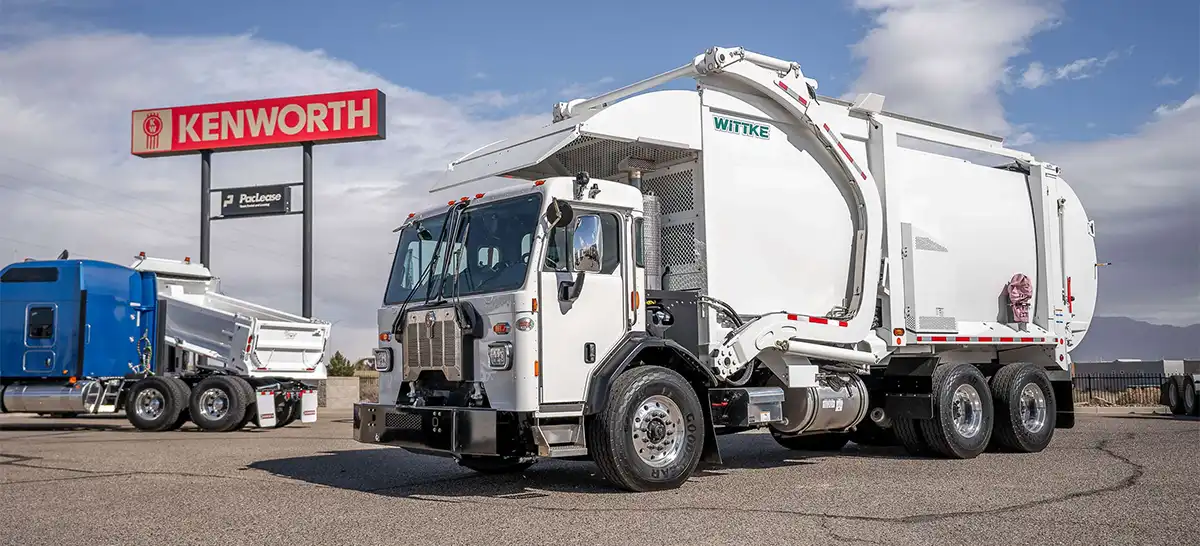
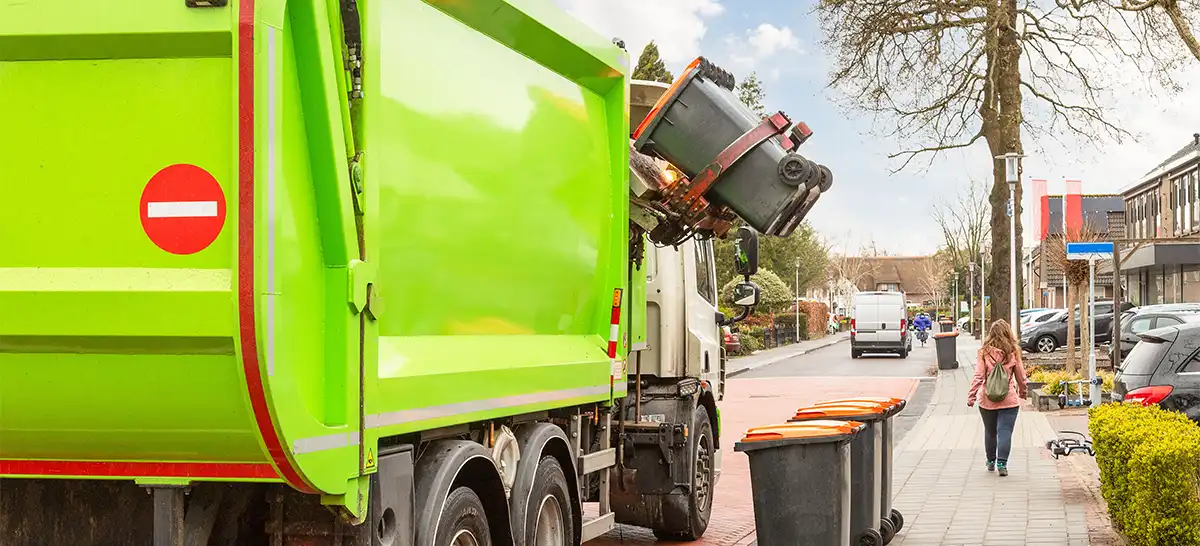
Side loaders have changed how neighborhoods get their trash picked up. They load trash from the side of the truck instead of the front or back. While some are loaded by hand, most new ones use an Automated Side Loader (ASL). These high-tech trucks have a robotic arm that reaches out, grabs a standard trash cart, and empties it into the truck. The driver controls this arm with a joystick from inside the cab.
Best Uses for Side Loaders
Side loaders are the best choice for neighborhood routes. They work perfectly in areas where houses are close together and everyone uses the same type of trash cart. They do best on streets where houses have enough space between driveways and there are not too many parked cars. This gives the robot arm enough room to work.
Pros and Cons of Side Loaders
- Pros:
- Lower Costs: These trucks only need one driver. They don’t need extra workers riding on the back, which saves money.
- Better Safety: Because workers do not have to lift heavy bins, they avoid back and shoulder injuries.
- Speed: A good driver can grab and empty a bin in less than 8 seconds. This allows them to service hundreds of homes a day.
- Cons:
- Blocked Bins: If a bin is placed too close to a car, mailbox, or pole, the arm cannot reach it. The driver must then get out of the cab to move the bin.
- Higher Repair Costs: The robotic arms, sensors, and cameras are complex. They cost more to fix than the simple parts on a rear loader.
- Trash Spills: If the truck is full or it is very windy, trash can sometimes blow away while the bin is being lifted.
Roll-Off Refuse Trucks
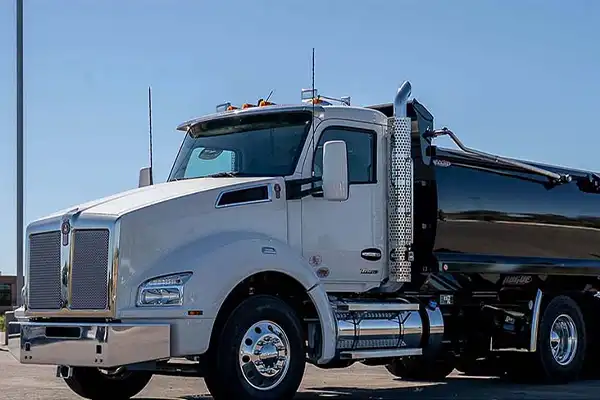
Roll-off trucks are very different from the crushing trucks we just talked about. Instead of crushing trash inside the truck, they carry large, open metal boxes that can be removed. Using a strong cable or hook, these trucks roll the heavy boxes on and off their back. The truck leaves the empty box at a job site to be filled and returns later to haul it away.
Best Uses for Roll-Offs
These trucks are a must-have for construction and demolition sites. They are the best choice for hauling heavy trash that cannot be crushed, like concrete, steel, dirt, or drywall. People also use them to clean up after major storms or for big neighborhood cleanup days.
Pros and Cons of Roll-Offs
- Pros:
- Versatility: One truck can carry many types of boxes, from large open dumpsters to flatbeds for machines.
- Less Waiting: The truck can drop off a box and leave right away. It doesn’t have to wait around while the trash is being loaded.
- Easy to Fix: The lifting parts are very strong and much easier to fix than the crushing parts on other refuse trucks.
- Cons:
- Space Requirements: Unloading a large box takes a lot of room. The truck needs about 60 feet of straight, flat space to drop the box safely.
- Less Efficient: Because the trash is mostly loose, the truck is often carrying a lot of empty space. This wastes fuel compared to a truck that crushes trash tightly.
- Height Limits: The truck’s rails lift very high to slide the box off. This makes them dangerous to use near low power lines.
Specialized Refuse Bodies for Niche Applications
Split-Body Trucks for Recycling
Split-body trucks have a body that is divided into two sections. This lets one truck pick up two different kinds of waste at the same time, like normal trash on one side and recycling on the other. This saves gas and helps the environment by sending one truck instead of two.
Grapple Trucks for Large Waste
Grapple trucks have a long mechanical arm with a claw attached to the truck. They are perfect for picking up huge items like big tree branches, old couches, or broken refrigerators. These items are too large and heavy for normal refuse trucks to crush.
Engine Options: Diesel, Natural Gas, and Electric
The garbage truck industry is changing how it powers its vehicles. Because of strict pollution rules and a desire for cleaner cities, companies are looking past regular diesel engines. They want trucks that are powerful but also clean and quiet.
Diesel Engines
Diesel is still the most common choice for long country routes and heavy roll-off trucks. It provides raw power and can drive long distances. But, diesel engines are getting more expensive to fix. They have complex filters to reduce pollution. If a filter clogs, the truck could be stuck in the repair shop for days.
Compressed Natural Gas (CNG)
CNG engines burn much cleaner than diesel and are quieter, which neighborhoods love. Natural gas prices are also more stable than diesel fuel. Many companies even use gas captured from landfills to power their trucks. However, building the fueling stations for CNG is very expensive. It works best for large fleets that return to the same garage every night.
Battery-Electric
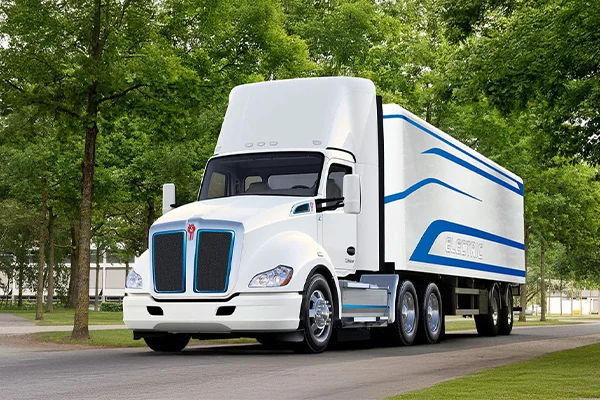
Electric trucks are perfect for garbage routes. Refuse trucks stop and start constantly. Electric trucks use this braking power to recharge their batteries, which extends their range and saves brake pads. Also, electric motors are very strong and nearly silent. This allows cities to collect trash very early in the morning without waking anyone up.
Choosing the Right Truck for Your Route
Picking the right truck depends on where it will be driving.
City Routes: Automated Side Loaders are great for neatly lined streets. But, if a street has too many parked cars, a Rear Loader is often better. Workers can easily roll bins around the parked cars.
Rural Routes: On rural roads where houses are far apart, Rear Loaders are usually the best choice. Automated robot arms can be too slow to pack away between long drives. Also, country dirt roads might not be strong enough to support the heavy weight of a front loader.
Essential Maintenance & Safety
Refuse trucks face some of the hardest conditions of any vehicle. Every day, they deal with harsh chemicals from trash, extreme heavy lifting, and bumpy city streets. If they are not taken care of, they will break down, cost a lot of money, and become unsafe for workers.
To help your trucks last longer and keep workers safe, you must check them regularly. Do not wait for things to break. Here are the most important things to check:
- Hydraulic System: This system uses fluid to lift and crush the trash. It is the truck’s lifeline. Drivers should check the hoses every day to make sure there are no leaks.
- Packer Blade Care: The space behind the crushing blade must be cleaned out often. If trash builds up there, it can damage the truck’s floor and the blade.
- Safety Features: New trucks should have cameras that see all around the truck and bright flashing lights. Rear loaders also need special safety switches. These switches stop the heavy blade from moving if the door is open, keeping workers safe from getting crushed.
Key Takeaways
- Match the Truck to the Trash: Use Rear Loaders for mixed trash, Side Loaders for neighborhood bins, and Front Loaders for business dumpsters.
- Robots Save Money: Automated Side Loaders only need one driver. This cuts down on worker injuries and saves money.
- Watch the Weight: Make sure the truck body is not too heavy for the base. This stops the truck from breaking down and prevents traffic tickets.
- Go Electric in Cities: Electric trucks save money on fuel and repairs. They are perfect for city routes where the truck stops and starts a lot.
- Check the Truck Daily: The lifting arms break down the most. Create a strict schedule to check the hoses and moving parts.
Build the Perfect Refuse Truck for Your Toughest Routes
The refuse truck is an amazing piece of machinery. For city governments and private trash companies, picking the right trucks is the key to success.
Are you ready to upgrade your fleet? Visit your local Inland Kenworth dealership. Come check out the Kenworth L770—a heavy-duty truck chassis built just for the tough demands of the waste industry.
Be sure to ask us about our pre-configured frame layouts. They are made to easily fit with many different refuse truck bodies. Whether you need a front loader, an automated side loader, or a roll-off truck, our experts are here to help. We will help you build the perfect truck for your hardest routes.
Frequently Asked Questions
A front loader uses front arms to lift big dumpsters over the cab. It is designed for businesses. A rear loader has a large opening at the back where workers throw in bags or empty small bins. It is best for neighborhoods.
It depends on the size of the truck and how tightly it crushes the trash. A standard rear loader can hold 10 to 12 tons of crushed trash. This is about equal to the trash from 800 to 1,000 homes.
Yes. In the United States and Canada, you usually need a Commercial Driver’s License (CDL) with an air brake endorsement to drive these heavy trucks.
Split-body trucks can pick up two kinds of waste at once, like normal trash and recycling. This means fewer trucks on the road, which saves fuel and money.